





Most people start this search backwards, looking for “the best water filter” before actually knowing what’s wrong with their water in the first place. That’s really the wrong order. A filter that’s perfect for one house can be completely useless in another, depending on whether the water’s sandy, high in dissolved salts, or just tastes a bit off from chlorine. Worth figuring out what you’re actually dealing with before picking anything.
Start With What’s Actually in Your Water
Water quality testing for home use doesn’t need to be complicated. A basic TDS meter tells you dissolved solids in seconds, and it’s usually the first thing worth checking before spending money on any filtration system. Visibly cloudy or sandy water points toward a sediment problem. Water that tastes or smells like chlorine points toward needing carbon filtration. High TDS readings, common in a lot of areas with hard or heavily mineralized water, point toward needing reverse osmosis specifically, since that’s the only common household technology that actually reduces dissolved salts rather than just clarifying water. Atlantic Water gets this question constantly, and the honest answer is always the same, test first, buy second.
RO Filter vs. Regular Water Filter
This comparison trips people up a lot. A regular water filter, sediment plus carbon, handles particles, chlorine, and odor well, but it does nothing for dissolved salts or heavy metals. An RO filter adds a semi-permeable membrane that actually pulls TDS out of the water, which matters a lot if your area’s water source runs hard or salty.
For genuinely poor water quality, RO isn’t optional, it’s the only technology built for the job. For water that’s already reasonably clean from the municipal supply and just needs taste and odor improved, a simpler filter setup is often enough without the added cost of a full RO system.
Water Filters for Hard Water Specifically
Hard water causes its own set of problems separate from taste, mineral buildup on fixtures, dry skin, reduced efficiency in appliances over time. Standard carbon filtration doesn’t really touch hardness. RO handles it properly since it’s removing the dissolved minerals causing the hardness in the first place, which is why homes in harder-water areas usually end up needing an RO system rather than a basic filter regardless of budget preferences going in.
Domestic RO Plant Options and What They Actually Cost
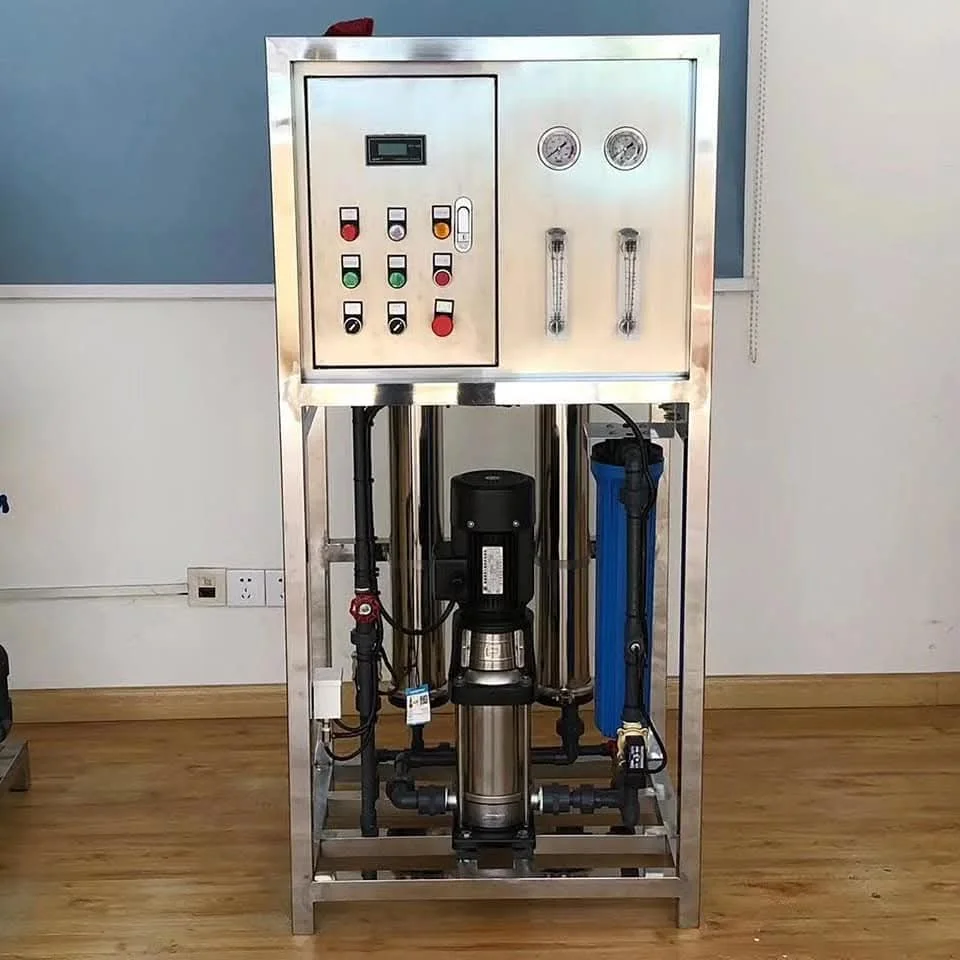
For household use, RO plants scale down significantly from commercial or industrial versions, though the underlying technology stays the same. Atlantic’s small water plant setup starts at the lower end of the LPH range and works fine for a household or a very small business, without paying for industrial-scale capacity nobody at home actually needs.
Price depends mostly on capacity and raw water quality, worse source water needs more robust pre-treatment stages, which adds to cost regardless of which supplier you go with.
Multi-Stage Filters for Tap Water Without Going Full RO
Not every home needs RO. If your main issue is chlorine taste, odor, or general sediment rather than high TDS, a triple stage filter handles sediment, carbon filtration, and antibacterial protection in one mechanical unit, no electricity required. It’s a solid middle ground for households on decent municipal supply that just want cleaner-tasting, safer tap water without the cost and water wastage that comes with a full RO setup.
Installation and What to Expect
Domestic installation is usually straightforward, most household filters and small RO units fit under a kitchen sink or mount on a wall with minimal plumbing work. Larger domestic RO plants need a bit more space and a stable water supply line, but nothing close to the site planning a commercial installation requires.
Getting the Right Recommendation for Your Home
The honest answer to “which water filter is best” always depends on your specific water source and what’s actually in it. Reach out with your city and water type, municipal, borewell, or tank-fed, and it’s a lot easier to recommend the right setup than guessing from a generic buying guide alone.


