





Searching for a water filter in Pakistan isn’t quite the same exercise as it is in a lot of other countries, and that’s not an exaggeration for the sake of a sales pitch. A government report presented to Pakistan’s National Assembly found that 61% of drinking water tested across 29 Pakistani cities came back contaminated, and in cities like Karachi, the water supply came in at a staggering 93% contaminated, with Multan close behind at 94%. That’s not a scare tactic, it’s the baseline most households and businesses in those cities are actually working with before a filter ever enters the picture.
The Scale of the Problem, City by City
Contamination levels vary a lot depending on where in the country you’re looking, which is exactly why a one-size recommendation rarely makes sense. Beyond Karachi and Multan, that same national report flagged Bahawalpur at 76% contamination, Sargodha at 83%, and Hyderabad at 80%, with several smaller cities testing even worse than the major urban centers. Separately, researchers studying Lahore’s water supply found that nearly a quarter of residents are consuming water contaminated with arsenic, a heavy metal that basic sediment or carbon filtration simply doesn’t touch.
This regional variation is exactly why a generic “best water filter” recommendation rarely holds up once you actually look at local water test data. What works fine in one city’s water supply can be seriously inadequate in another, and assuming otherwise is how people end up with the wrong system for their actual water.
Why RO Matters More Than Basic Filtration Here
Basic filters, sediment and carbon stages, handle visible particles, chlorine, and bad taste reasonably well. What they don’t handle is dissolved salts, heavy metals, or the kind of bacterial and chemical contamination Pakistan’s water testing data keeps turning up across multiple cities. Reverse osmosis is really the only widely available home and commercial technology that meaningfully reduces TDS and filters contaminants at that level, which is part of why RO systems have shifted from a luxury upgrade to something closer to a baseline necessity in a lot of Pakistani cities over the past decade.
It’s worth being honest here too, RO isn’t strictly necessary everywhere. A household on relatively clean municipal supply dealing mostly with chlorine taste doesn’t need the same setup as one in an area with documented heavy metal contamination. The data matters more than defaulting to the most expensive option available.
What a Water Purifier Actually Needs to Handle
Given the numbers, a water purification system in Pakistan generally needs to deal with more than one category of problem at once, sediment and turbidity, chlorine and taste issues, dissolved salts pushing TDS too high, and in some areas, specific contaminants like arsenic or elevated bacterial counts from compromised supply lines. That’s a lot to expect from a single-stage filter, which is why properly built systems almost always layer multiple technologies rather than leaning on just one.
For households dealing primarily with sediment, chlorine taste, and general safety concerns rather than extremely high TDS specifically, a multi-stage filter covering sediment, carbon, and antibacterial protection handles a lot of the common contamination categories in one unit, without the water wastage and higher running cost that comes with a full RO setup.
RO Plant Pricing: What Actually Drives the Number
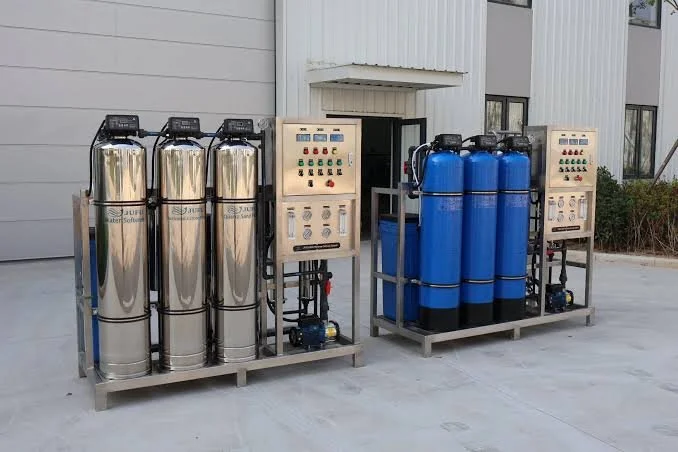
RO plant price in Pakistan varies mainly based on capacity, measured in LPH, and raw water quality. Water with higher salinity or TDS needs more robust pre-treatment and membrane specifications, which pushes cost up regardless of which supplier you’re comparing. A small plant setup scales from 250 LPH up to 1000 LPH, covering household use through small commercial operations like local water shops or offices, without jumping straight to industrial-scale pricing nobody at that level actually needs.
Material quality matters too, stainless steel construction, SS304 or SS316 grade specifically, costs more upfront than cheaper alternatives but resists corrosion significantly longer. That matters more over a system’s actual lifespan than the initial price tag alone suggests, especially given how corrosive higher-salinity water can be on cheaper materials over time.
Municipal Supply Problems Make the Underlying Issue Worse
Beyond raw water quality itself, Pakistan’s aging infrastructure adds another layer to the problem that’s worth understanding. Research on Karachi’s water system has pointed to leaking and sometimes deliberately punctured mainlines as a major contamination source, with sewage mixing directly into supply lines through these damage points before water ever reaches a home. Some areas also go days or weeks without consistent supply, which creates its own set of water storage and contamination risks once tanks sit unused or improperly cleaned for extended periods.
That infrastructure reality means even water tested as acceptable somewhere upstream in the system can arrive at the tap already compromised by the time it reaches a household. It’s a big part of why point-of-use filtration, treating water right where it’s actually consumed rather than trusting the full distribution chain, matters more in Pakistan than it might in a country with newer, better-maintained infrastructure.
Domestic vs. Commercial Needs Differ More Than People Expect
A household just needs clean drinking and cooking water, which usually means a smaller-capacity system sized around daily family consumption. A shop, office, or small water delivery business needs higher throughput and more consistent output across operating hours, which changes both the equipment size and the maintenance routine needed to keep it running reliably. Confusing the two, buying household-scale equipment for commercial use, or paying for commercial capacity in a home that doesn’t need it, is one of the more common ways people overspend or underspend on a system that doesn’t actually fit their situation.
Choosing Based on Your Actual City and Water Source
Given how much contamination levels and water chemistry vary by region, the right filtration setup really depends on three things: your specific city’s documented water quality profile, whether your supply comes from municipal lines, a borewell, or a water tank, and how the water’s actually being used day to day, drinking only, or the whole household’s broader needs.
A household in an area with documented arsenic contamination needs a meaningfully different setup than one dealing mainly with sediment from an older mainline connection. Guessing based on a generic online recommendation tends to either overspend on capacity and filtration stages nobody needs, or underspend on treatment that genuinely matters for long-term health given what local water testing actually shows. Neither outcome is ideal, and both are avoidable with a bit of upfront information about what’s actually coming out of the tap.
Common Questions
Is tap water in Pakistan actually safe to drink without filtration? Based on government and independent water quality data across major cities, the honest answer in most urban areas is no, at least not consistently. Contamination rates vary significantly by city and even by neighborhood within the same city, but the data generally points toward filtration being a genuine health consideration rather than an optional upgrade.
Does every household need an RO system specifically? Not necessarily. Households on relatively clean municipal supply dealing mainly with chlorine taste or minor sediment can often get by with a simpler multi-stage filter. RO becomes more important in areas with documented high TDS, heavy metal contamination, or consistently poor water quality test results.
How do I find out what’s actually in my local water supply? A basic TDS meter gives a quick read on dissolved solids, and that’s a reasonable starting point. For more detailed contamination data, published water quality reports and studies covering major Pakistani cities are publicly available and worth checking before assuming your area’s water is fine without any real data behind that assumption.
Why does water quality vary so much between cities in Pakistan? A combination of factors, source water differences, aging and sometimes damaged distribution infrastructure, inconsistent treatment standards between municipalities, and industrial contamination in some regions all contribute to the wide variation seen in national water quality studies.
Getting a Recommendation Based on Real Data, Not Guesswork
With water quality this inconsistent across Pakistan, a generic recommendation isn’t especially useful without knowing your actual situation first. Atlantic Water works across household, commercial, and industrial setups, and the starting point is always the same regardless of scale, know your city’s water profile, know your actual usage needs, and size a system around that rather than a generic “best filter” list pulled from a search result.
Get in touch with your location and water source, municipal, borewell, or tank-fed, and the recommendation that comes back actually reflects what your water needs rather than a one-size answer that ignores how differently water quality varies from one Pakistani city to the next.


