





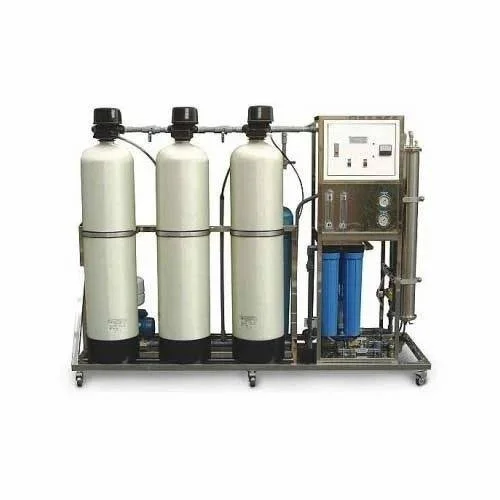
Searching “water filter for home price in Pakistan” turns up a pretty wide spread of numbers, and that’s not suppliers being inconsistent on purpose. Price depends on the type of system, the capacity, and what your actual water needs treating for, a small cartridge-based filter and a full home RO plant aren’t remotely the same purchase, even though both technically fall under “water filter for home.”
Why Prices Vary So Much for the Same Search
A small water filter for home, usually a basic sediment and carbon cartridge unit, sits at the lower end of the price range, enough for improving taste and removing visible particles from relatively clean municipal supply. A full water filter plant for home, typically an RO-based setup, costs more upfront but handles dissolved salts and heavy metals that a basic cartridge filter can’t touch at all.
That gap is really what’s behind the wide range of numbers you’ll see searching around. Atlantic Water gets asked constantly why one quote looks nothing like another, and it almost always comes down to comparing two genuinely different categories of equipment as if they were interchangeable.
A Quick Note on Brand Names
A few searches specifically mention brands like Aquafina or Fluxtek alongside “water filter for home in Pakistan.” Worth clarifying, Aquafina is a bottled water brand (owned by PepsiCo), not a home filtration system manufacturer, so that search is likely pointing toward bottled water rather than a filter unit. Fluxtek is a separate reverse osmosis manufacturer based in Taiwan, not something sold through Atlantic Water specifically. If either of those came up while researching, it’s worth knowing they’re different companies entirely rather than assuming they’re interchangeable with a local supplier’s offering.
Home RO Plant Pricing
For an RO plant sized for home use, the main factors driving price are capacity, measured in LPH, and your raw water quality. Higher salinity or TDS source water needs more robust membranes and pre-treatment, which adds cost regardless of which supplier you’re comparing. A smaller household setup at the lower end of the LPH range costs meaningfully less than a unit sized for a larger household or light commercial use.
Material matters too, stainless steel construction, specifically SS304 or SS316 grade, costs more initially than cheaper alternatives, but resists corrosion for years longer, which affects total value more than the upfront number alone suggests.
Cartridge and Filter Replacement Costs
Beyond the initial purchase, ongoing cartridge and membrane replacement is part of the real cost of owning a water filtration system at home, and it’s a cost that’s easy to forget about when comparing only upfront prices. Sediment and carbon cartridges typically need replacing every few months depending on usage and raw water quality, while RO membranes last longer but cost more individually when replacement time comes around. A system that looked cheaper upfront can end up costing more over a year or two if replacement parts run expensive or need swapping more frequently than expected.
What About Installment Options?
A few searches specifically look for installment-based payment options for home water filters. That’s worth asking about directly rather than assuming it’s available or unavailable, payment terms vary by supplier and sometimes by specific product, so it’s a question better answered with a direct conversation than a generic blog post guessing at policy.
Mechanical Filters as a Lower-Cost Alternative
Not every home needs a full RO plant. For households dealing mainly with sediment, chlorine taste, or general safety concerns rather than high TDS specifically, a multi-stage mechanical filter covering sediment, carbon, and antibacterial protection costs less than a full RO setup, needs no electricity, and handles a lot of common water quality issues in one unit.
Getting an Accurate Price for Your Actual Situation
The honest answer to “how much does a water filter for home cost in Pakistan” depends entirely on your water source, your household size, and which type of system actually fits your situation. Reach out with those details, and the number that comes back will actually mean something, rather than a generic range that doesn’t account for what your water actually needs.


