





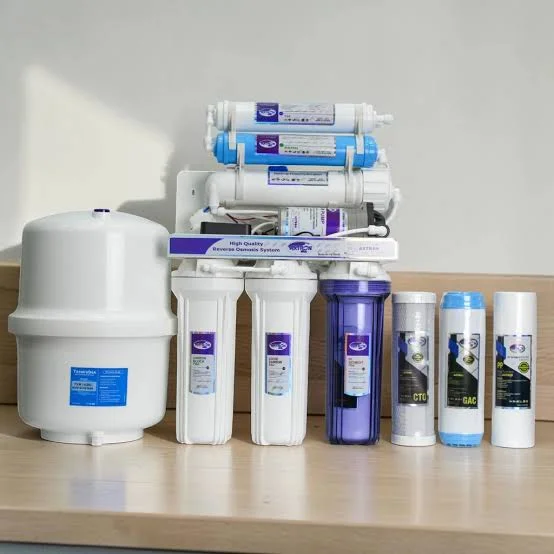
Ask five different suppliers for an RO plant price in Pakistan and you’ll probably get five different numbers, and not because someone’s overcharging. Capacity, raw water quality, and the components used all move the price around more than people expect going in. Atlantic Water works across this whole range, from small domestic setups to full industrial plants, so it’s worth breaking down what’s actually driving the cost before comparing quotes.
What Changes the Price Most
Capacity’s the biggest factor, measured in LPH (liters per hour). A small mineral water plant running 250 LPH costs a fraction of what a 1000 LPH commercial setup runs, and industrial RO plants built for factories or large institutions climb higher still depending on daily output needs.
Raw water quality matters just as much, though it’s easy to overlook when comparing quotes. Water with high salinity or heavy TDS (total dissolved solids) needs more robust membranes and pre-treatment stages, which pushes cost up compared to a plant treating relatively clean municipal supply. Anyone quoting a price without asking about your raw water source is probably giving you a number that won’t hold once actual installation starts.
Material matters too. Stainless steel construction, SS304 or SS316 grade specifically, costs more upfront than cheaper alternatives but resists corrosion a lot longer, which affects total cost over the plant’s lifespan more than the sticker price alone suggests.
Domestic vs. Commercial vs. Industrial
Domestic RO systems handle household drinking water, typically installed under a kitchen sink, multi-stage filtration removing sediment, chlorine, and dissolved solids before water reaches the tap. Lower capacity, lower cost, straightforward installation.
Commercial RO plants serve a different purpose entirely, offices, shops, water delivery businesses, generally running in the 250 to 1000 LPH range depending on demand. This is where a mineral water plant setup usually fits, scalable enough to grow with a business rather than needing a full replacement once demand increases.
Industrial RO plants operate at a completely different scale, factories, large institutions, anywhere continuous high-volume purified water is a production requirement rather than a convenience. These systems need more robust membranes, larger storage, and generally a higher level of ongoing maintenance to keep running at capacity.
Installation and What Space You’ll Actually Need
Space requirements scale with capacity, unsurprisingly. A 1000 LPH plant generally needs somewhere between 500 and 800 square feet, accounting for the filtration equipment itself, raw water storage, and enough clearance for maintenance access. Smaller domestic systems need barely any dedicated space at all, fitting under a standard kitchen cabinet.
RO plant installation in Pakistan also needs to account for local water conditions, which vary a lot by region. Water in some areas carries higher salinity or mineral content than others, which affects membrane selection and pre-treatment requirements before a system even gets sized properly.
Maintenance Actually Matters More Than People Expect
A lot of buyers focus entirely on the upfront RO plant cost and barely think about maintenance until something goes wrong. Membranes need periodic cleaning and eventual replacement, and skipping regular maintenance tends to shorten membrane life significantly, turning what looked like a good upfront price into a more expensive plant over a few years.
Antiscalant and membrane cleaning chemicals are part of that ongoing cost too, not optional extras. A plant running on raw water with higher mineral content needs more frequent chemical treatment to keep membranes performing properly, which is worth factoring into any long-term cost comparison between suppliers.
Regulatory Compliance, If You’re Selling Water
Anyone setting up a plant to sell drinking water commercially in Pakistan needs to think about PSQCA and PFA (Punjab Food Authority) compliance, not just water quality on paper. Regular output testing matters here, since compliance isn’t a one-time certification, it’s an ongoing requirement tied to actual water quality leaving the plant.
Getting the Right Setup for Your Needs
The right RO system in Pakistan really depends on three things: how much water you need per hour, what your raw water source looks like, and whether you’re running a household system or a commercial operation that needs to scale. Get in touch with your capacity needs and water source details, and pricing gets a lot more accurate once those specifics are actually on the table.


